The Quiet Pattern of Greatness: Why Category Kings Have Always Empowered

Author
Soul FounderThere is a rhythm to progress—one that most of us feel before we understand. Certain ideas land differently. Certain companies shape culture, not just markets. And when you look closely—beneath the surface of products, profits, and pitch decks—you begin to see the pattern.
It’s the pattern of empowerment.
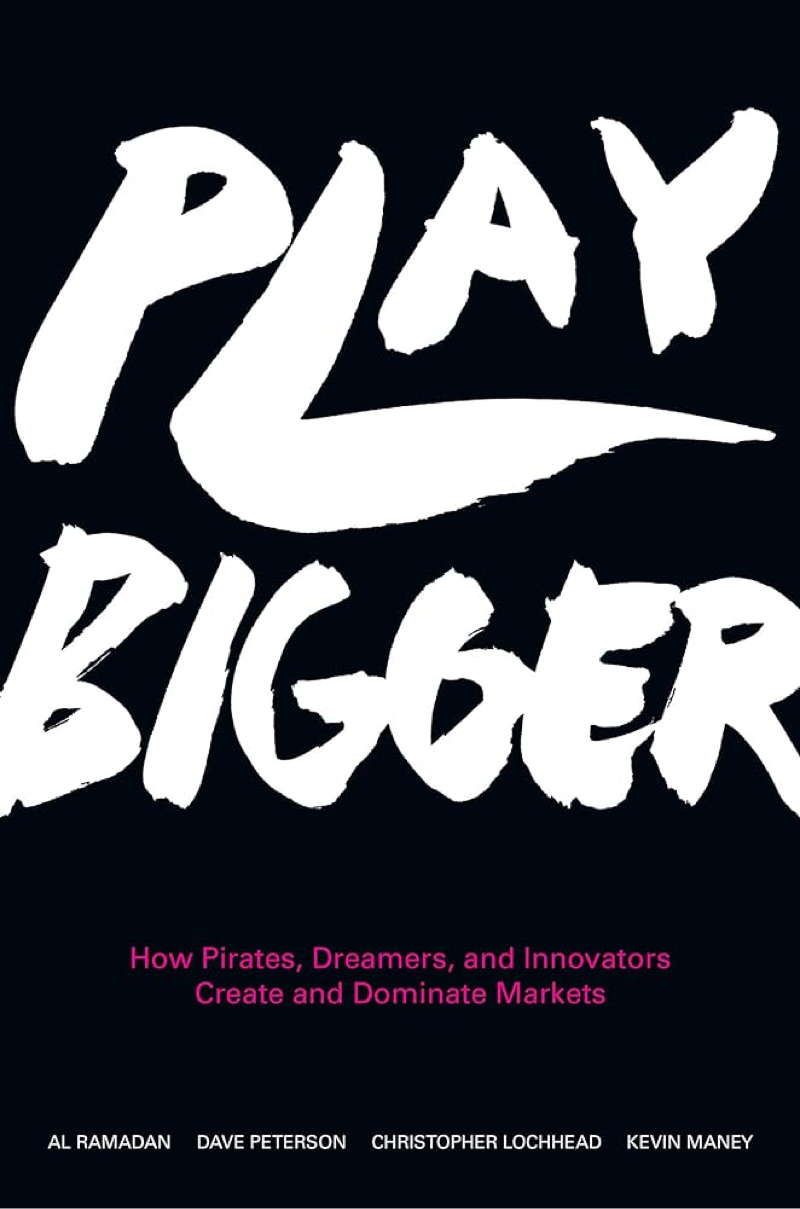
Al Ramadan and his team, in the book Play Bigger, describe it with precision. The companies that truly dominate—those that lead for decades—don’t merely compete. They create new categories. They rewrite the question so thoroughly that their answer becomes inevitable.
But here’s what’s easy to miss: category creators aren’t just clever strategists. They are enablers of transformation. They give people a new capability, a new identity, a new sense of agency. They make life simpler, richer, more possible. And that—at its core—is an act of empowerment.
From Ford to Salesforce: A Lineage of Empowerment
When Henry Ford introduced the assembly line, he didn’t just make cars cheaper. He changed who could drive, where they could go, how they could live. It wasn’t about horsepower. It was about access.
When Clarence Birdseye pioneered frozen food, he didn’t just innovate a technology—he liberated home cooking from the tyranny of time. Dinner could be nourishing, easy, and on your schedule.
Fast-forward: Apple didn’t sell devices. It sold personal power. Airbnb didn’t rent beds. It invited anyone to become a host, a curator of experience. Salesforce didn’t sell software. It allowed businesses to finally know, connect with, and serve their customers in real time.
In every case, the companies that broke through did so by enabling transformation—by offering a leap forward that changed the user’s reality. The market crowned them kings not because they were clever, but because they made people more capable.
This is the essence of category design. The most valuable companies, time and time again, are those that help people do something they couldn’t do before.
Venture Capital and the Currency of Belief
This is not just retrospective wisdom. The investors behind the world’s most disruptive companies—those who seed the future—are looking for one thing: transformation at scale. They call it “category potential.”
They ask: does this company make something better—or does it make something new possible? Because better can be outbid. But new? New changes the game.
The ability to empower someone—to remove a block, create clarity, provide agency—is the rarest, most valuable business model in the world. And those who do it best, win longest.
But Here’s the Shift: Intent Now Matters
In the past, this empowerment often came with strings. It was transactional, sometimes even manipulative. Companies gave power, but always with a motive—growth, lock-in, scale. People were empowered, but not always respected.
Today, that has changed.
We are living in a new cultural context—one where intention matters as much as impact. Customers are sensitive to energy. They can feel whether a business is here to sell them… or to serve them.
The old model—empowerment for control—is dissolving.
What’s rising in its place is something more beautiful, more durable: empowerment as an act of care. We are entering a new era where businesses must lead with both strategy and soul.
And this is precisely where the Empowerment Platform comes in.
Empowerment Platforms: The Next Great Category
To serve deeply and consistently at scale, we need more than process. We need intelligence—something capable of holding purpose across every department, every touchpoint, every customer journey. We need orchestration, clarity, alignment. And we now have that.
AI—when purpose-aligned and ethically deployed—makes it possible to build something entirely new: a platform that empowers not just the end user, but every human involved in delivering transformation.
An Empowerment Platform is not a tech stack. It is a category. One whose core offering is not convenience or savings—but real, lasting change in the lives of the people it serves.
And when companies design themselves in this way—around the fullness of the transformation, not just the transaction—they don’t just build loyal customers. They build movements.
They create the next category kings.
The Inevitability of Alignment
Here is what’s quietly profound: the most successful companies of the past were empowerment companies, even if they didn’t know it. The most successful companies of the future will be empowerment companies, because now—we do know it.
And what makes them enduring is not just what they build, but why they build it.
They put the human at the center. They use technology not to replace, but to elevate. They create value by creating possibility. And when the market sees that—when people feel it—it doesn’t matter what the competition does.
The empowered always choose the source of their empowerment.
That’s why this is more than a shift. It’s a convergence. The cultural and technological tides are pulling in the same direction. Care and capability—united at last.
If you want to lead in this new world, don’t just build a business. Build a category that empowers. Empowerment is no longer a tactic. It is the blueprint for every enduring empire.