Your Customer Is the Hero: How Story Reveals the Path to Empowerment

Author
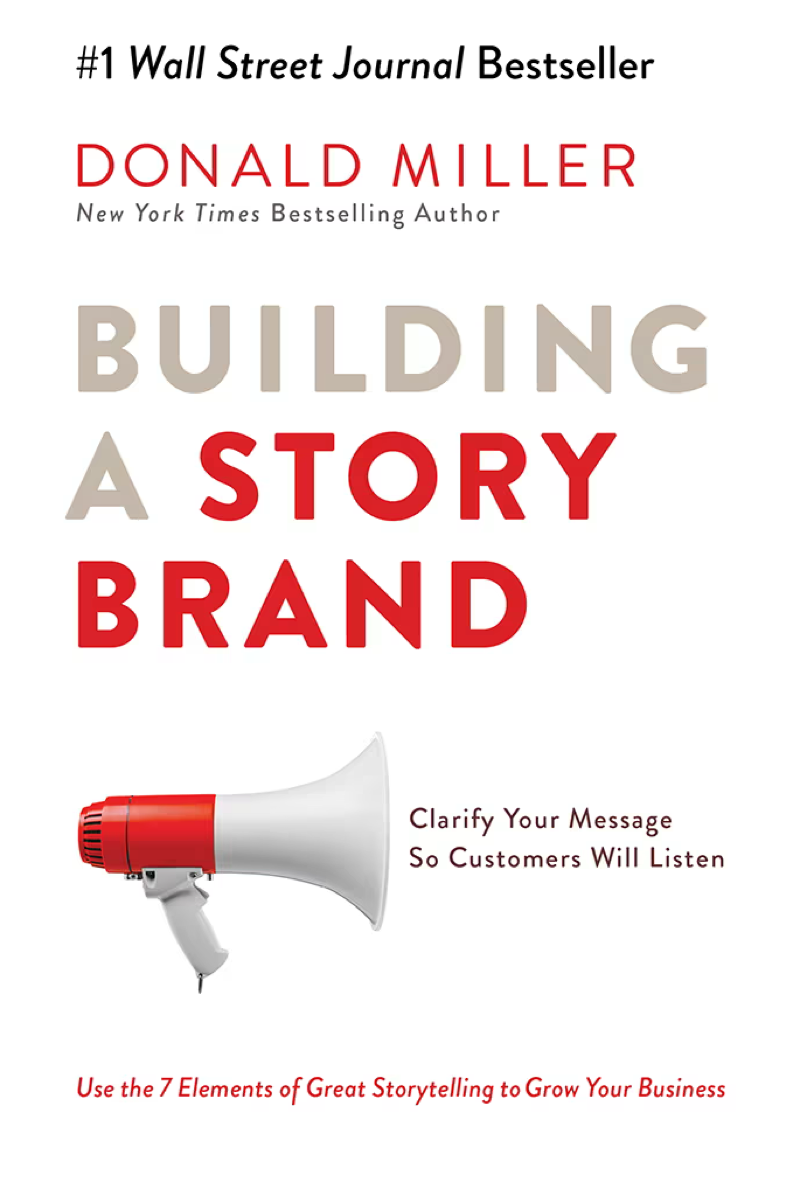
Soul FounderThere is a moment in Donald Miller’s Building a StoryBrand where something clicks.
It’s not just a business insight—it’s a remembering. A return to something ancient.
“People don’t buy the best products,” Miller writes.
“They buy the ones they can understand the fastest.”
But what do they need to understand?
Not the specs. Not the brand voice. Not even the benefits, not really.
What they need to understand is themselves.
Where they are, what they’re struggling with, what they’re hoping for.
And whether or not your company can help them cross that distance. At its heart, every purchase is a leap into a better self.
And that’s where the power of story begins.
The Hero’s Journey Is a Human One
Miller didn’t invent the story structure he teaches.
He revealed it.
The SB7 framework, as he calls it, is rooted in the same soil that gave us mythology, religion, cinema, and literature. It’s the story we are always telling ourselves:
- A hero has a problem.
- They meet a guide.
- Who gives them a plan.
- And calls them to action.
- That helps them avoid failure.
- And ends in success.
- That transforms them.
This isn’t just storytelling. It’s soul-telling.
And when a business learns to position itself inside this timeless arc—not as the hero, but as the guide—something remarkable happens.
The customer sees themselves in the story.
And they see your product not as the story, but as the tool that helps them change.
That is the very definition of empowerment.
The Story Beneath the Story
Here’s what Miller’s work quietly affirms:
- The companies that win are the ones that deeply understand the transformation their customers are seeking—and help them make it.
- They don’t center the product. They center the person.
- They don't shout. They listen.
- They don't sell. They serve.
- They don't rescue. They reveal.
Because the hero doesn't need saving.
They need guidance.
They need clarity.
They need tools that work when the moment comes.
And when your company tells the story of a hero’s transformation—and lives that story in every interaction—customers feel it. Deeply. Instinctively. It doesn’t need explanation. It just makes sense.
When Story and Structure Align
This is the natural meeting place between Miller’s story framework and the deeper architecture of the Empowerment Platform.
Because if your business is built to guide people through meaningful change—then every team, every process, every touchpoint becomes part of that journey. The marketing isn’t performative.
The product isn’t decorative.
The promise isn’t hollow.
It’s all real. And that’s what resonates in this new cultural era.
Because now more than ever, people don’t just want a story. They want authenticity. They want to be part of something that walks its talk.
And if the talk is that you help people become who they’re trying to be—then the walk must be a business that is designed, from the ground up, to enable that transformation.
That’s what an Empowerment Platform is.
It’s not just the story of transformation.
It’s the infrastructure for it.
The Market Is Listening for Meaning
In Miller’s terms, the company that tries to be the hero will always feel out of place.
But the company that understands the customer’s journey—and designs every part of its business to support that journey—becomes indispensable. You are the Yoda. The Haymitch. The Tinker Hatfield designing Jordans.
You’re not the main character. But you’re why the story succeeds.
And that’s the subtle shift happening in business today:
The old empires were built on performance.
The new ones will be built on empowerment.
Not as a slogan.
Not as a brand veneer.
But as the living purpose of the company.
Because the only stories that truly matter now are the ones that transform—and the only companies that lead are the ones that know how to guide.
You Already Know How This Ends
You’ve always known this, in a way.
That your work was never just about solving a problem or hitting a number.
It was about helping someone take a step closer to the person they’re trying to become.
That’s the real story you’re telling.
And when you build your business from that story—when your team, your tech, your purpose, your product all flow from the desire to help another human rise—then the market will respond.
Because they’re not looking for a savior.
They’re looking for someone who sees them.
Who gets the job.
Understands the journey.
And has built a platform to help them walk it.
That’s the new role of business.
That’s the story the world is listening for.
And that’s why the companies who become Empowerment Platforms will lead the next chapter.